

 By Gusto Guitar
Compare reflection, touch and the care routine for the actual coating; matte and gloss describe appearance, not a complete finish chemistry or quality ranking.
Matte vs gloss guitar finishes should be compared through their actual appearance, feel and care requirements, rather than sheen being treated as a quality grade. A photograph with controlled lighting can make either surface look appealing. The better test is whether you like the guitar in ordinary conditions, understand the supplied coating and can maintain it without unintentionally changing its appearance.
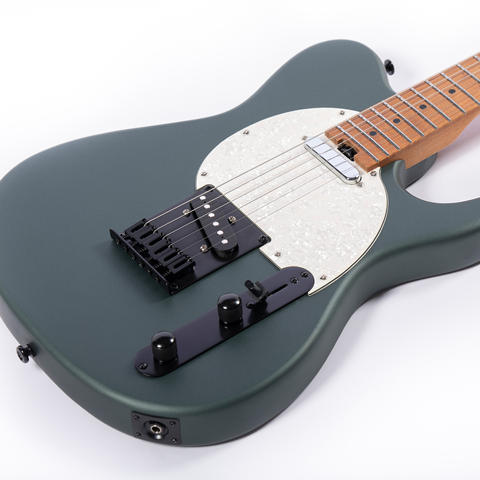
Gusto Guitar GTTL-02 exterior reference. Confirm the current finish specification and assess sheen under comparable lighting rather than grading it from one image.
Identify the coating behind matte vs gloss guitar finishes
Gloss describes a more reflective appearance. Matte and satin describe lower-sheen appearances, although the exact labels and boundaries used in a catalogue may differ. Ask the supplier for a representative sample or a more precise description if matching another product is important.
These terms do not identify the whole coating system. A colour name is another separate field. Two guitars can share a colour while differing in surface sheen, or share a sheen description while using different finish systems and care instructions.
A useful order therefore identifies the intended colour, sheen and finish system as distinct details. Do not accept an unexplained phrase such as premium matte as a complete specification, especially when the instrument will be supplied in repeat batches.
Inspect reflections under ordinary conditions
Look at the guitar under broad room lighting and from several angles. A glossy surface tends to show more distinct reflections, which can also make fingerprints and surface marks easier to notice in some conditions. A lower-sheen surface changes how those reflections appear, but it does not guarantee that marks will be invisible.
Ask for a short video or several photographs under comparable light when buying remotely. A single strongly lit studio image may emphasize a contour or hide a surface detail. Keep editing restrained when the images are being used to approve a sample rather than create advertising.
Compare the front, back, edges and neck separately. A body may have a different sheen from the back of the neck. If the supplier’s example mixes surfaces, document that arrangement rather than describing the entire guitar with one word.
Try the surface that your hand actually touches
If the main concern is neck feel, evaluate the back of the neck through position shifts and a realistic playing period. Body sheen alone cannot answer that question. Ask whether the neck finish is the same on both candidates before attributing a preference to the body’s appearance.
A player’s experience also depends on hand condition, temperature and the particular coating. Do not promise that every matte neck will feel faster or every glossy neck will feel sticky. Those are better treated as trial observations about the actual instrument.
For seated playing, notice the body contact points as well. Check how the instrument rests against the arm and clothing without deliberately rubbing or stressing the surface. You are assessing comfort, not trying to accelerate wear during a shop demonstration.
Cleaning is not the same as polishing
A cleaner is intended to remove unwanted material, while a polishing operation can have a different purpose and effect on the surface. Product names are not enough to establish compatibility. Read the instructions for both the instrument and the care product.
Taylor distinguishes between its satin cleaner and gloss polish in its guitar-care guidance. Its cleaning instructions also warn against waxes or thicker polishes on satin areas because they can leave an uneven appearance. That is useful evidence that one routine should not automatically be applied to every sheen.
Gretsch’s maintenance guidance specifies a soft dry cloth for its satin finishes. The difference in maker instructions is itself important: use the guidance for the actual instrument instead of assuming another brand’s recommended liquid is universally suitable.
A care decision before buying a bottle
Identify the model and the finish on the area you intend to clean. If the coating is unknown, or if the instrument has been refinished, obtain appropriate advice before applying an unfamiliar product. A body, neck, fingerboard and metal component may need different treatment.
Use a clean cloth suitable for the task and keep grit away from the surface. Begin with the maker’s least involved approved routine. Avoid vigorous attempts to erase a mark when you do not know whether it is dirt, wear or damage to the coating.
If a product is approved, follow its application instructions rather than adding more in the belief that it provides extra protection. Keep a record for shared shop instruments so the next person does not unknowingly mix incompatible care routines.
| Buying question | Gloss candidate | Matte or satin candidate |
|---|---|---|
| Appearance | Inspect reflections and visible marks in normal lighting. | Inspect consistency of sheen and the appearance of contact areas. |
| Touch | Try the actual neck and body contact surfaces. | Try the same movements without assuming low sheen guarantees speed. |
| Care | Confirm the approved cleaner or polish for this coating. | Confirm whether only a cloth or a specific cleaner is approved. |
| Wear | Ask how ordinary use is expected to affect the surface. | Ask how changes in contact-area sheen should be assessed. |
| Repeat orders | Retain a clear colour and sheen reference. | Retain a reference that defines the intended low-sheen appearance. |
Ask about wear without demanding an unworn instrument forever
Frequent contact can change the appearance of a finish over time. Ask the maker what to expect for the particular surface and how to distinguish routine wear from a condition requiring assessment. The answer should be tied to that coating and use, not a promise that one sheen never marks.
A shiny contact patch on a lower-sheen surface and a scratch visible in a glossy reflection raise different questions. Do not immediately attempt a cosmetic correction. Some operations that remove a mark can also change the surrounding sheen and make the result more noticeable.
If preserving the original appearance is a priority, discuss it before purchase and ask for care instructions in writing. If you like visible playing wear, that is a different aesthetic preference. Neither preference establishes whether the underlying guitar is well made.
Sheen, clear coats and coating names are separate fields
A transparent clear layer describes another aspect of the finish. It does not, by itself, settle whether the final surface is matte, satin or gloss. Ask for the complete system and the relevant care guidance rather than assuming clear means shiny.
Likewise, words referring to a coating family or application method are not substitutes for the agreed appearance. If a quotation mentions an unfamiliar process, ask where it is used and why it is relevant. Do not copy a powder-coating or other industrial term into a guitar description unless that actual application has been confirmed.
Keep the construction and finish claims separate as well. A low-sheen surface does not prove a thinner coating, and a high-gloss photograph does not establish a particular film thickness. Request the relevant specification if thickness is genuinely part of your product brief.
Do not choose a finish from a promised tonal improvement alone
Two demonstration guitars may differ in far more than surface sheen. Pickups, strings, setup and construction can affect the comparison you hear. A preference for one sample should not be expanded into a universal sound guarantee for matte or gloss finishes.
Choose the appearance and feel you want, then evaluate the complete instrument’s response. If the sound meets your needs, there is no requirement to invent a tonal reason for a cosmetic preference. Ask a supplier making a specific performance claim what evidence applies to the proposed model.
Approve a finish sample with useful viewing conditions
For a dealer order, retain a physical sample or an agreed set of photographs where practical. Identify the light, angles and areas being compared. Colour and sheen should be approved together but recorded separately so a later disagreement can be described precisely.
Check the edges, cavities visible in ordinary use and transitions between different finishes. Establish what natural or production variation is acceptable. A representative range can be more realistic than expecting every instrument to duplicate one edited image.
If the supplier changes the coating system or care requirement, request an updated specification and sample approval as needed. Keep the customer care card aligned with the delivered instrument rather than recycling it from the first batch indefinitely.
Evaluate the actual finish on the selected solid-body guitar model. When reviewing wear and storage, also check the fit and lining of the bag or case so contact and handling are considered alongside the finish label.
Common finish questions
Is matte always easier to keep clean?
No universal result follows from sheen alone. Compare the actual surface, your use and the approved care routine.
Can I polish satin to remove a shiny patch?
Do not improvise that repair. Obtain model-specific advice, because a polishing operation may alter the appearance you are trying to preserve.
Does gloss mean higher quality?
No. Inspect the accuracy and consistency of the intended finish and the workmanship of the complete instrument. Sheen is a design choice.
Browse Gusto Guitar’s solid-body guitars and request the current colour, sheen and care specification for your selected configuration before ordering.

Get Best Guitars
Join Gustoguitar.com Newsletter to get more information of electric guitars, classical guitars, and all kinds of guitars.


