

 By Gusto Guitar
Monitor the environment around the actual instrument and follow its maker’s care range.
Guitar storage in a bag or case needs appropriate humidity guidance and monitoring; a closed carrier is not automatically a climate-controlled environment. The condition inside depends on the instrument, carrier, room, recent exposure, and any approved humidity-management system. Storage care starts with knowing the maker’s guidance and observing the actual environment. This guide explains those basics without assigning one universal humidity target to all guitars or claiming that a particular Gusto bag, case, or instrument has been tested as a controlled storage system.
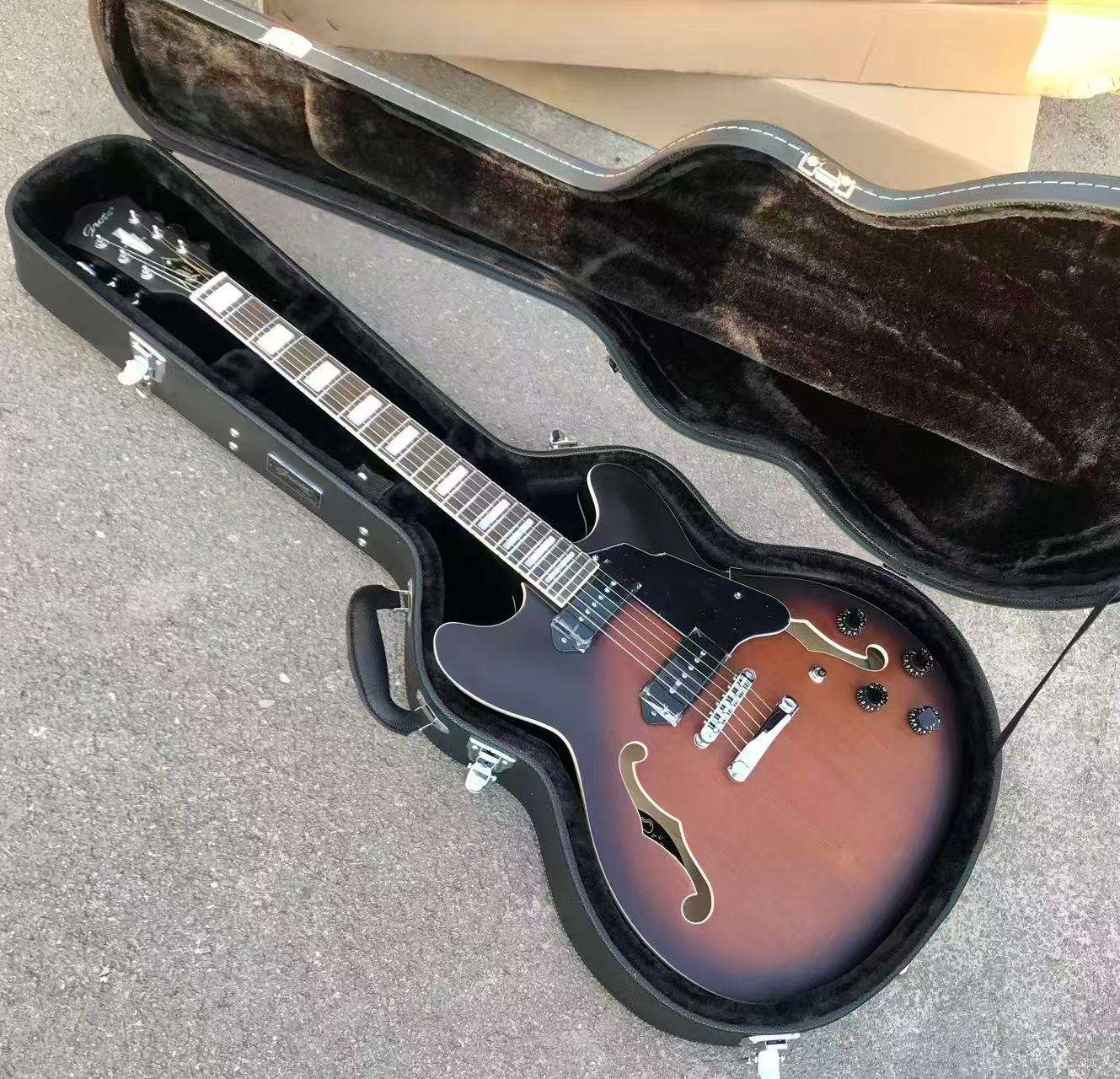
Understand humidity readings for guitar storage
Relative humidity is an environmental reading, not a direct measurement of the wood’s internal moisture condition. Keep it associated with temperature, location, and time. One brief reading does not explain the whole history of an instrument. A useful storage record looks for patterns and changes rather than treating a single number as a complete diagnosis.
Ask for the actual guitar maker’s care guidance, including any recommended range and monitoring approach. Different constructions and materials may call for specific advice. Do not transfer a number from an acoustic article into every solid-body electric guitar description. A general care discussion should make its source and scope clear.
Use manufacturer examples with their limits visible
Taylor’s official humidifier guidance recommends a 45–55% relative-humidity range for its guitars and emphasizes monitoring inside the case. This is a useful named example of maker-specific advice. It is not a verified Gusto specification or a reason to apply every Taylor accessory instruction to a different instrument.
The transferable habit is to obtain a relevant target and measure the environment the guitar actually experiences. Keep the instrument model and guidance together. If no model-specific advice is available, request clarification rather than publishing a precise maintenance promise that the supplier has never confirmed.
Distinguish the room from the case interior
A room sensor can reveal the surrounding environment, while a suitable sensor inside the case concerns a more local space. Those readings may not match immediately or under every condition. Record where the device is placed and avoid moving it repeatedly while trying to interpret a trend. Follow the device’s operating instructions.
Position monitoring equipment so it does not damage the instrument or interfere with closure. Do not place a hard device where it can press into the finish or become a loose impact source. A sensible mounting or compartment arrangement should preserve both useful measurement and physical protection. Confirm suitability for the actual carrier.
Check the measuring device
Use a device appropriate for the intended conditions and understand its stated accuracy and maintenance requirements. A precise-looking display is not proof of a precise measurement. If readings seem inconsistent, review placement, operating conditions, and the manufacturer’s checking or calibration guidance before changing the instrument’s environment aggressively.
Keep the device identity with the record when consistency matters. Comparing several unverified sensors can create more confusion than information. The goal is a credible observation of storage conditions, not collecting whichever number best matches an expected result. An uncertain measurement should remain uncertain until checked.
Do not assume a case seals everything out
A closed case can provide a more contained space, but its actual behavior depends on construction and condition. A soft bag, a standard rigid case, and a specifically sealed product are not interchangeable. Ask what the carrier maker claims and avoid describing every closed container as airtight or humidity controlled.
Liquid-resistance claims are also separate. A water-resistant exterior may help with one kind of exposure without establishing control of water vapor during storage. Keep those functions distinct in both purchasing and product content. A broad protection phrase should not silently become a claim about climate management.
Store only dry, appropriately cared-for contents
Check that the bag or case and any stored accessories are not damp before leaving the guitar inside for a prolonged period. Follow approved drying and care instructions if exposure has occurred. Do not use a closed carrier to conceal an unresolved moisture problem. Trapping wet contents can undermine the purpose of protection.
Keep cleaning products and other liquids stored according to their instructions, away from uncontrolled contact with the instrument. An accessory pocket is not automatically suitable for every container. Check for leaks, sharp items, and pressure points. Humidity care should not introduce a new risk through poorly stored maintenance supplies.
Use humidification only with an appropriate plan
If the maker recommends a humidity-management product, follow the instructions for the actual instrument, carrier, and device. Do not improvise with a wet household object or allow liquid water to contact the guitar. Placement, maintenance, and product condition matter. More added moisture is not automatically better.
Ask whether the chosen system is intended only to add moisture or to manage conditions in another way. Do not assume that every packet or accessory performs the same function. Keep the product identity and replacement or maintenance information available. A device that is no longer functioning should not remain in the case as though its presence proves protection.
Avoid reactive swings based on one reading
If the reading is outside the maker’s recommended range, review the environment and the device before taking drastic action. Follow the relevant care instructions and seek technical advice when the instrument shows concerning changes. Do not rapidly alternate between aggressive drying and humidification to chase a display.
Record the condition and response over an appropriate period. Keep the guitar away from obvious environmental extremes and direct exposure that conflicts with its care guidance. This article does not prescribe an emergency restoration procedure. A suspected damaged or significantly affected instrument deserves assessment rather than an improvised experiment.
Observe the instrument as well as the sensor
Notice changes in normal playability, visible condition, or fit of components and record when they occur. These observations can help a technician understand the history, but they do not establish humidity as the cause by themselves. Strings, setup, handling, and other factors may also need review.
If the instrument develops a repeatable problem, retain photographs and specific playing observations. Avoid making several adjustments before documenting the condition. A service person can then distinguish the reported symptom from later changes. The storage record supports assessment; it does not replace inspection of the actual guitar.
Review storage location and routine
Choose a location consistent with the maker’s care guidance and away from obvious heat, moisture, or impact hazards. Consider how the environment changes during periods when the room is unoccupied or climate control is altered. A suitable condition at one afternoon check may not represent a whole week.
Set a practical monitoring routine that reflects the instrument and local conditions. Keep the process simple enough to maintain. Record meaningful changes and maintenance actions rather than creating a large log nobody reviews. The useful outcome is awareness and timely action, not a collection of numbers without a decision process.
Plan for travel and seasonal changes
A journey can move the instrument into a different environment and change the condition of its carrier. Review the maker’s handling advice and the storage plan at the destination. Do not assume that a familiar case makes every new room suitable or that an old humidity accessory remains effective indefinitely.
After travel, inspect the carrier and instrument and resume monitoring under the actual conditions. Keep transport damage concerns separate from climate observations unless evidence connects them. If a problem appears, report the facts and seek appropriate advice rather than selecting humidity as the explanation because it is easy to measure.
Compare the fit and construction of guitar bags and cases separately from humidity management. The solid body vs semi-hollow guide helps identify the instrument construction before applying maker-specific storage advice.
Keep the storage record useful
| Item | Record or check | Limit |
|---|---|---|
| Care target | Actual maker guidance | Not universal across brands |
| Sensor | Location and operating instructions | Display is not wood-moisture diagnosis |
| Carrier | Construction and present condition | Closed does not mean sealed |
| Humidity accessory | Type, placement, maintenance | Presence does not prove function |
| Instrument | Specific observed changes | Symptoms do not prove cause |
| Routine | Relevant trends and actions | One reading is incomplete history |
Retain the instrument model, applicable care guidance, sensor location, relevant readings, humidity-product information, and any observed changes. For a retailer, identify which instrument or storage area a record concerns. Do not apply one case reading to every guitar in a stockroom without considering what was actually measured.
Ask for current model-specific care information for instruments in the Gusto Guitar product range. The final storage plan should be appropriate to the actual guitar and carrier. Monitoring, dry contents, approved maintenance, and clear limits are more useful than assuming that a bag, case, or small packet guarantees a safe environment on its own.

Get Best Guitars
Join Gustoguitar.com Newsletter to get more information of electric guitars, classical guitars, and all kinds of guitars.


