

 By Gusto Guitar
Build a clear specification around a confirmed base model, separate cosmetic changes from engineering changes, and approve a sample before treating any option as available.
OEM electric guitar customization should begin with a controlled specification and approval process, not an assumption that every catalog option can be combined. A logo, a different pickup and a new scale length may all be called custom options, yet they create very different production and verification tasks. The buyer needs to describe the intended instrument, identify the changes from an agreed base model and request feasibility confirmation for each one. This guide is an enquiry framework: it does not claim that Gusto offers every option below, or establish prices, minimum quantities or delivery commitments.
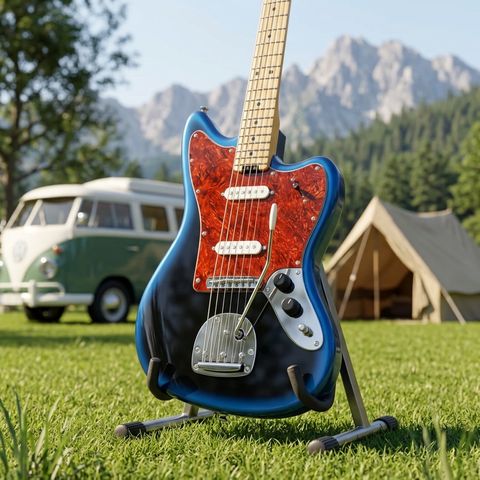
Existing product reference: GTST-03. Proposed modifications require model-specific confirmation; the image does not represent an approved custom specification.
Define the scope of OEM electric guitar customization
Name the existing model or provide a clearly described reference concept. State the string count, tuning, scale length, pickup arrangement, bridge type and intended player. Then divide the brief into items to retain, items to change and items needing advice. This gives the supplier a stable starting point and prevents an enquiry from changing its underlying instrument every time a new image is added.
A useful opening might be: “Evaluate a six-string fixed-bridge model for standard tuning, retaining the approved neck dimensions, with a proposed finish, supplied brand artwork and a different confirmed pickup set.” This is an illustrative request, not an available Gusto configuration. It is more actionable than asking for the “best wood and professional electronics,” because each requested difference can be assessed.
Keep reference photographs labelled by purpose. One may show a colour direction, another a control location and another a case interior. Mark which details should not be copied. Otherwise a supplier may interpret a photograph as an instruction for the entire instrument when you intended only one visual feature.
Cosmetic choices still need a specification
Colour, sheen and visible timber
A colour name is not a reproducible finish standard. Send an approved physical reference or agreed colour specification where possible, and describe sheen separately. A metallic, translucent or figured appearance may depend on substrate and application as well as colour. Request a representative sample under agreed lighting rather than approving a phone photograph with unknown exposure.
Specify which surfaces are covered: body front, back, sides, neck and headstock can have different treatments. If visible grain matters, distinguish an aesthetic reference from a promise of identical figure on every instrument. Agree how natural variation will be reviewed. Do not assume that a transparent version of a solid-colour model will reveal the same appearance beneath the finish.
Logos and identification
Provide final artwork in the format requested by the supplier, with placement dimensions and a clear version number. Identify headstock, body, truss-rod cover, packaging or accessory locations individually. State the proposed serial-number format and which label identifies the model. Obtain the relevant rights to supplied artwork and names; a reference image is not permission to reproduce another brand’s identity.
Approve the logo at actual size on the relevant surface. A design that looks sharp enlarged on screen may become difficult to read on a small curved area. Check contrast, orientation and distance from hardware on the sample, and retain the approved artwork file so that later batches do not use an obsolete version.
Component substitutions have interfaces
A pickup change is not adequately specified by “HH” or “higher output.” Identify exact models where applicable, mounting arrangement, conductor requirements, control behaviour and cavity clearance. Seymour Duncan’s mounting-hardware guidance distinguishes hardware supplied with different humbucker models. It is a concrete reminder that even parts sharing a broad category can need different mounting details.
Write a switching matrix showing what each selector and push-pull position should do. “Coil split” does not explain which coil remains active, where the function applies or how multiple controls interact. Ask for a wiring diagram and test the requested positions on the sample through a clean amplifier. Do not approve a function solely because the instrument has the expected number of knobs.
Bridge and tuner substitutions also require more than a preferred brand name. Confirm hole pattern, post or shaft dimensions, string spacing, available adjustment and the exact part revision. A change that appears cosmetic can require machining or alter the string path. Ask the supplier to classify it before assuming it is a direct replacement.
Structural changes deserve their own development review
Scale length, fret count, neck profile, body thickness, joint construction and string count affect the instrument’s geometry. They may interact with bridge placement, neck access, cavities or case fit. Present them as engineering requests requiring drawings and a prototype assessment, rather than adding them casually after a cosmetic sample has already been approved.
For example, the ESP M-I NTB NT USA page identifies selectable finish, top-wood, pickup and hardware options around a defined model specification. That external example shows the usefulness of a bounded option set; it does not imply that another manufacturer offers those choices or can alter every underlying dimension.
Where dimensions matter, use measurements and a drawing reference rather than a neck-profile adjective alone. “Comfortable C shape” can mean different things to different people. State the locations at which neck thickness and width should be assessed, ask what tolerances are feasible, and connect approval to the actual sample. Do not invent a precision requirement that neither party has agreed to measure.
| Proposed change | Enquiry detail | Approval evidence |
|---|---|---|
| Finish and branding | Surfaces, sheen, artwork version and placement | Physical sample and labelled photographs |
| Pickups and controls | Exact parts, mounting and switching matrix | Parts confirmation and functional demonstration |
| Neck or scale | Drawing, measurement positions and intended tuning | Approved dimensions and playing evaluation |
| Packaging | Instrument, included items and protection requirements | Packed sample, fit check and agreed shipment test |
Approve the complete instrument, not a collection of parts
Before the sample is built, agree what it needs to demonstrate. Use the intended tuning and documented string set, check all frets and controls, and evaluate seated and standing comfort. Inspect cosmetic details separately from playing faults so that a beautiful finish does not conceal an unresolved setup issue. Record what passes and what needs correction.
If a component becomes unavailable, require a proposed substitution to be identified before approval. Similar appearance or a shared printed value does not establish equivalence. Ask what changes in dimensions, operation, appearance or service documentation, then decide whether a revised sample or focused retest is needed. Preserve the old and new part identifiers in the revision record.
Include accessories in the sample review. A different bridge or body contour can affect how the instrument sits in a case; supplied tools must fit the actual hardware. Check that labels, instructions and the accessory list describe the instrument you are receiving. A generic booklet for another control layout can create avoidable support problems even when the guitar itself is correct.
Ask commercial questions after the scope is stable
Request separate confirmation of sample cost, tooling or development charges where applicable, order quantity requirements, proposed lead time and the basis of the production quotation. Those are supplier-specific answers. An old marketplace price or minimum quantity should not be reused as a current offer for a modified model.
Identify which decisions must be frozen before a schedule can be confirmed. A finish approval, a sourced component and a revised drawing can have different dependencies. If a buyer changes the specification after sample approval, record the change and request its effect on cost, testing and timing. Avoid treating an earlier quotation as valid for an instrument whose construction has since changed.
What if several versions share one model family?
Give each approved combination a distinct configuration code and bill of materials. A colour-only variant and a variant with different electronics need different inspection information, even if the retail model family is shared. Confirm which sample represents each version and which checks can legitimately carry over. This makes later reorders easier to identify and reduces the chance that a warehouse or service team treats two different control systems as interchangeable.
Use the solid-body guitar category to define a base configuration before requesting changes. For an extended-range project in the 7- and 12-string category, keep hardware, strings and packing approvals explicit instead of assuming a six-string specification transfers unchanged.
The brief to send with your enquiry
Prepare one versioned document containing the base model, target use, retained features, proposed changes, artwork references, intended tuning and strings, required sample checks, accessories and packaging. Add open questions beside the relevant item. Keep confirmed specifications distinct from requests still awaiting feasibility review.
Use the Gusto product categories to choose a starting family, then send the model and proposed change list for confirmation. A disciplined OEM enquiry does not need to promise unlimited customization. It needs to make the desired instrument, the unresolved choices and the evidence required for approval clear to both parties.

Get Best Guitars
Join Gustoguitar.com Newsletter to get more information of electric guitars, classical guitars, and all kinds of guitars.


